Russia’s Central Bank Approves Rules for Retail Crypto Trading from November
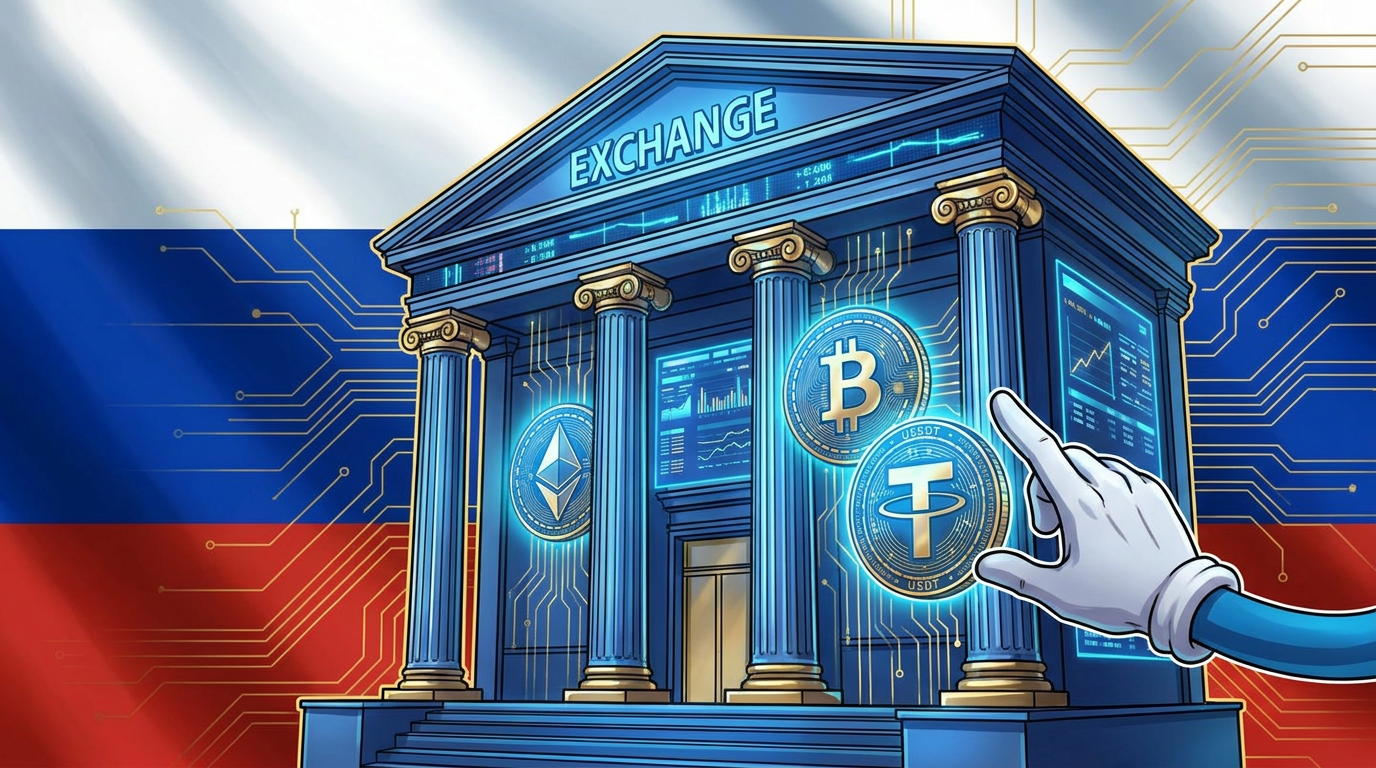
The Central Bank of Russia has finalized regulations permitting exchanges to offer retail investors access to Bitcoin (BTC), Ether (ETH), and Tether USDt (USDT) beginning on November 17.
Under these new guidelines, non-qualified investors are allowed to purchase up to 300,000 rubles (approximately $3,700) worth of cryptocurrency per year through each intermediary, such as brokers, asset managers, and crypto exchange providers. In contrast, qualified investors face no such purchase limits. However, all investors must successfully complete a mandatory certification test prior to trading.
This regulatory framework is based on legislation signed into law by Russian President Vladimir Putin on August 4th, which introduced a regulated cryptocurrency market overseen by the Central Bank of Russia.
On August 11th, the Bank of Russia released draft regulatory documents listing BTC, ETH, and USDT as approved cryptocurrencies for public trading, chosen for their market capitalization, average daily trading volumes, and minimum five-year price history on foreign platforms.
The law took effect on September 1st, and by October, the Bank of Russia authorized Sberbank—the country’s largest bank—to provide cryptocurrency exchange services.
These regulatory steps come amid preparations by the Moscow Exchange, Russia’s largest securities exchange and a publicly listed company, to initiate cryptocurrency trading on December 1st. Initially, the exchange will pilot transactions involving the same three cryptocurrencies.
While expanding access to cryptocurrencies through regulated platforms, Russia is simultaneously intensifying restrictions on crypto operations beyond these channels.
Starting July 1, 2027, direct peer-to-peer cryptocurrency trading between users will be banned. Additionally, transfers from regulated digital accounts to self-custody wallets are already prohibited. The country also maintains a ban on using cryptocurrencies to pay for goods and services.
The new rules mark a significant milestone by officially integrating major cryptocurrencies into Russia’s regulated market, while tightening controls to prevent unregulated trading and maintain centralized oversight. This dual approach balances expanding retail access with robust risk management.
These developments signal Russia’s commitment to establishing a monitored yet accessible crypto environment, reinforcing investor protections and shaping the future of digital assets in the country.
Why it matters
These regulatory measures are crucial for formalizing the cryptocurrency market in Russia, enabling broader retail participation under the oversight of the central bank, while preventing unauthorized trading activities and enhancing financial security.
Prepared from the source material with AI-assisted editing and checked against the supplied facts.
Open original source ↗