Tether Backs Bolivian Fintech Peso to Boost USDT Payments Across Latin America
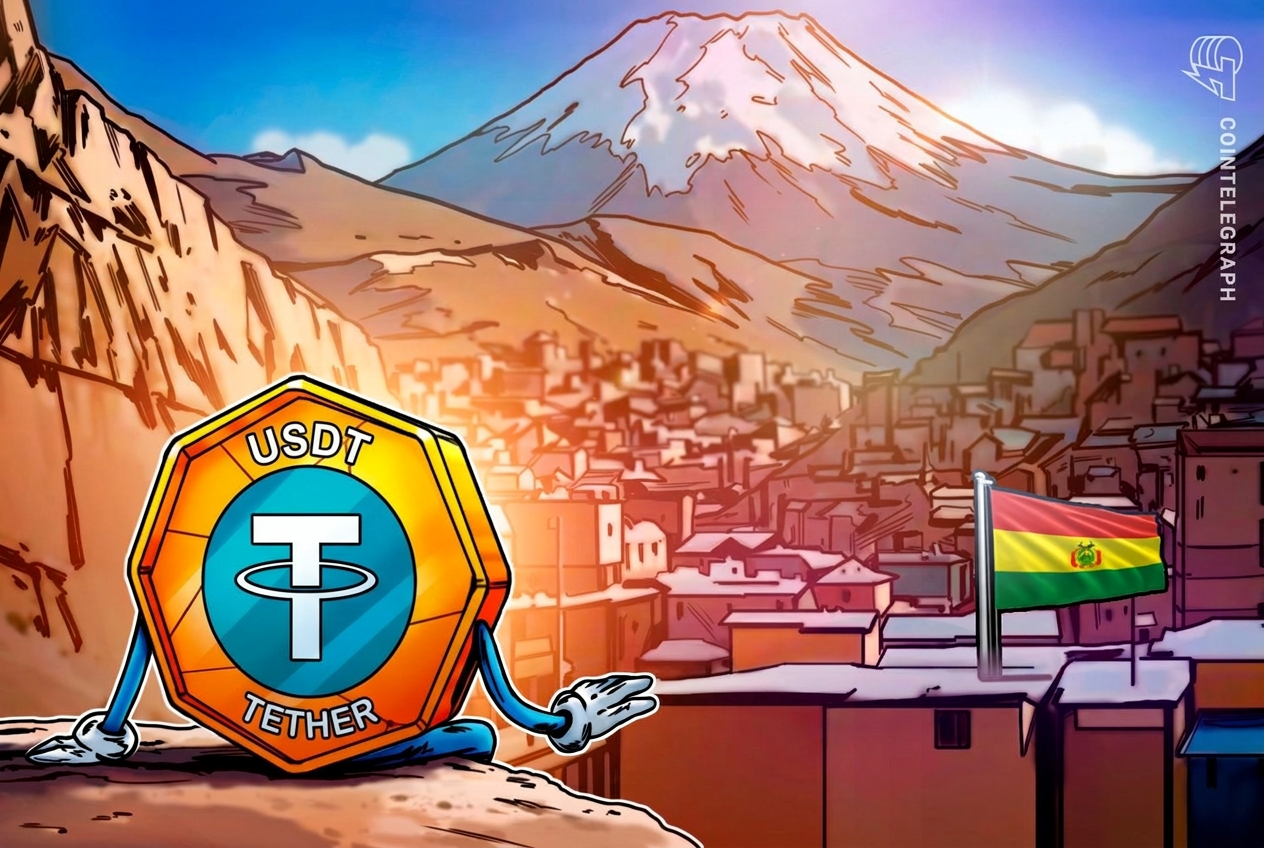
Tether has taken the lead in a pre-seed funding round for Bolivian fintech company Peso, which enables USDT payments through food delivery applications and local banking networks. This investment aims to facilitate Peso’s growth in the Latin American market.
On Wednesday, Tether announced its support would help Peso scale up its stablecoin payment infrastructure not only in Bolivia but also in Brazil, Colombia, and Argentina. The planned expansion includes linking USDT with local currencies via banking systems and merchant payment channels.
Peso has successfully integrated USDT payment options into Bolivia’s Yango food delivery platform, allowing customers to complete orders using the stablecoin. The fintech also provides services such as QR code payments, point-of-sale solutions for merchants, and virtual accounts connected to Bolivia’s banking system through ACH transfers. The investment amount from Tether remains undisclosed.
This funding round coincides with other Bolivian fintechs broadening their USDT financial services. For example, lending platform Tala recently partnered with El Dorado to deliver loans directly through a digital wallet, enabling users to receive and repay USDT-denominated loans on the Tempo blockchain.
Bolivia has increasingly adopted stablecoins since 2025 due to persistent shortages of US dollars and elevated inflation rates. As access to foreign currency became more restricted, businesses began accepting USDT as a means of payment.
In November 2025, the Bolivian government revealed plans to incorporate cryptocurrencies and stablecoins into its financial system. Measures include permitting banks to provide digital asset custody and offer financial products linked to crypto assets.
By July 2026, Bolivian authorities started considering regulations that would officially recognize USDT alongside the boliviano and US dollar for payments, savings, and commerce.
These developments arise amid Bolivia’s ongoing dollar shortfall following its decision to drop the dollar peg in June, driving demand for dollar-backed alternatives like USDT, as documented earlier in July by Cointelegraph.
Bolivia’s embrace of USDT-backed payment solutions and regulatory progress marks a significant step toward modernizing its financial system and addressing currency scarcity through stablecoins. This trend underscores the growing role of digital assets in emerging markets confronting dollar shortages.
The strategic investment by Tether in Peso not only accelerates the adoption of cryptocurrency-based payments in Bolivia but also lays groundwork for expanding such solutions throughout the Latin American region, potentially reshaping payment infrastructures.
Why it matters
This move highlights how stablecoins like USDT are becoming vital tools in countries facing currency shortages and inflation, promoting financial inclusion and innovation by integrating digital assets with traditional banking and commerce.
Prepared from the source material with AI-assisted editing and checked against the supplied facts.
Open original source ↗