IMF Confirms El Salvador’s Post-Review Bitcoin Accumulation Didn’t Use Public Funds
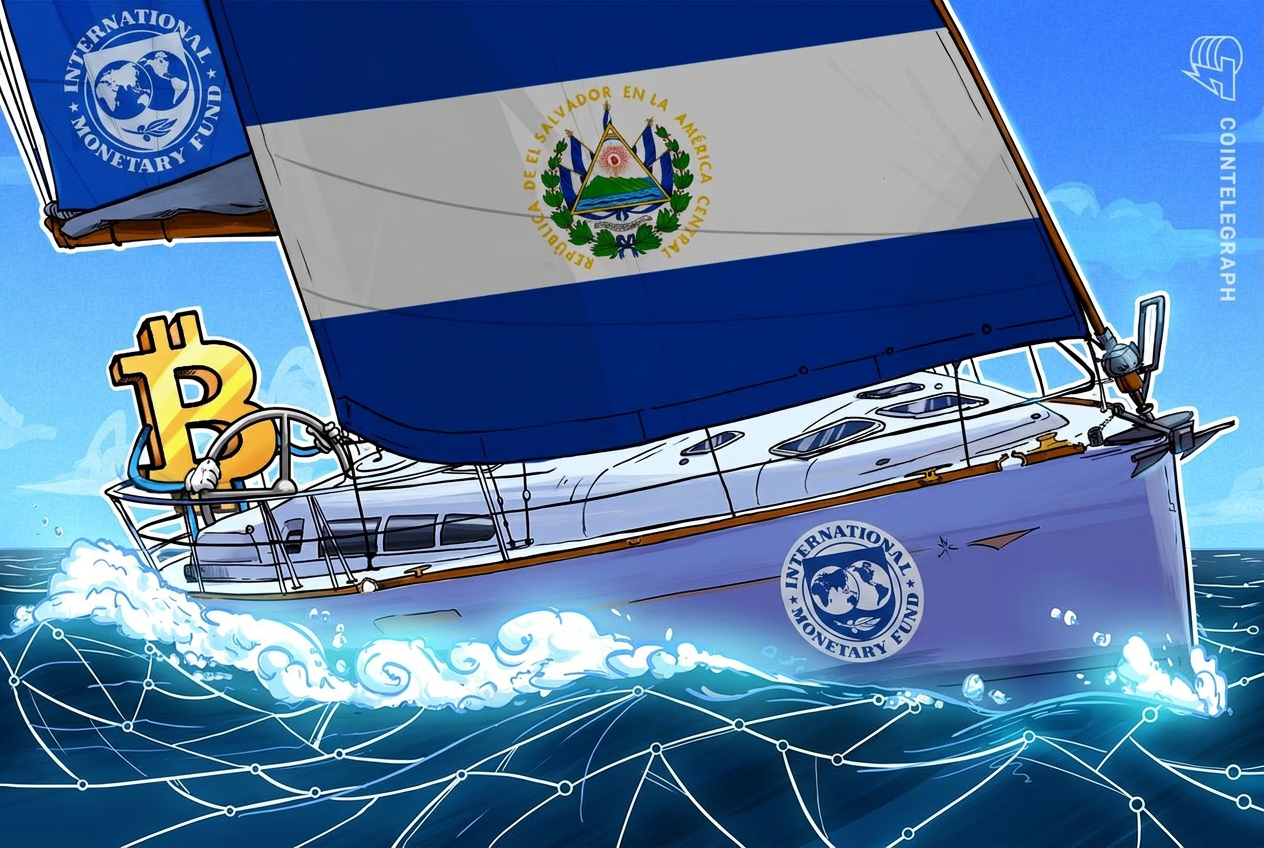
The International Monetary Fund (IMF) announced that El Salvador's increase in Bitcoin holdings after the June 2025 first review of its financing program was funded solely through private donations, not public resources. This confirmation addresses concerns about compliance with the $1.4 billion IMF agreement, clarifying that the country's Bitcoin accumulation did not breach terms. The statement also detailed that operational control of the state cryptocurrency wallet, Chivo, was largely transferred to private operators while the government retained a minority stake and custodial duties.
IMF Statement and Salvadoran Authorities’ Data
In a Thursday statement, the International Monetary Fund confirmed that documents supplied by Salvadoran authorities verified post-review Bitcoin accumulation resulted from private donations. The increase in Bitcoin holdings did not reflect additional acquisitions financed with public funds. The IMF also stated that majority ownership and operational management of El Salvador’s government-operated cryptocurrency wallet, Chivo, had been transferred to a private operator, although the government retained a minority stake and custodial responsibilities.
This clarification addresses concerns triggered by the rise in Bitcoin holdings after the initial review of the IMF program in June 2025. In November 2025, the country announced it had acquired 1,090 BTC worth approximately $100 million, raising questions about compliance with the $1.4 billion IMF financing deal.
Background: Bitcoin Restrictions Under the IMF Program
In December 2024, El Salvador agreed under its IMF arrangement to limit public sector involvement with Bitcoin. The terms stipulated that private-sector acceptance of Bitcoin should remain voluntary, taxes must be paid in U.S. dollars, and government participation in the Chivo wallet had to be phased out.
In March 2025, the IMF issued further documentation forbidding “voluntary accumulation” of Bitcoin by the public sector. President Nayib Bukele responded by stating that such Bitcoin purchases would continue and that El Salvador would keep adding at least one BTC daily.
Explanations Regarding Continued Accumulation and IMF Response
Since then, El Salvador’s National Bitcoin Office has regularly posted updates claiming ongoing Bitcoin accumulation. In July 2025, the IMF provided an initial explanation, claiming no new Bitcoin purchases had occurred since the December agreement, attributing increases to consolidation among government wallets.
The announcement in November revived scrutiny over the issue. An IMF spokesperson previously told Cointelegraph the fund would not give “running commentary” on such announcements and would assess compliance at the appropriate time.
According to the National Bitcoin Office’s official reserve tracker, El Salvador currently holds around 7,764 Bitcoin. At the current price of approximately $80,900 per BTC (per CoinGecko), this stockpile is valued at about $628 million. This balance remains higher than pre-IMF agreement levels, which the IMF attributes to private donations.
Why it matters
This news is significant for understanding El Salvador’s policy and fiscal discipline under the world’s largest IMF financing program. The IMF’s clarifications dispel concerns that the country violated agreement terms by using public funds to purchase Bitcoin instead of gradually reducing direct government involvement in the cryptocurrency market. It also confirms the transfer of operational control over the government wallet to private entities, aligning with IMF requirements. This strengthens confidence in the program’s implementation and sends a positive signal to other nations and investors observing how governments manage crypto assets under international oversight.
Prepared from the source material with AI-assisted editing and checked against the supplied facts.
Open original source ↗