Brazilian Crypto Exchanges Struggle with Rising Compliance Costs Ahead of Licensing Deadline
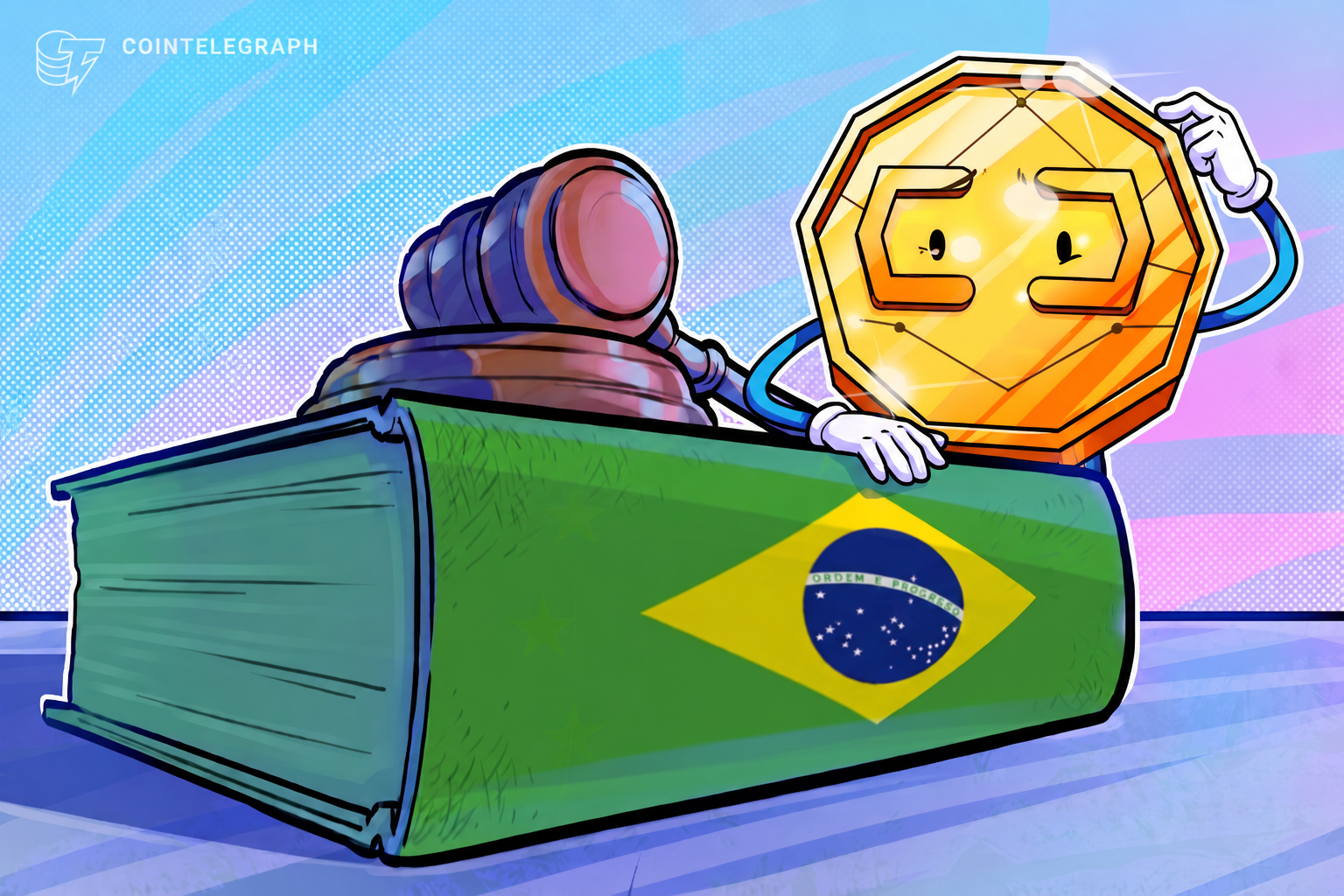
Cryptocurrency exchanges operating in Brazil are confronting escalating expenses related to regulatory compliance, coupled with numerous unresolved legal ambiguities, as the deadline for license applications approaches.
Exchanges currently active in Brazil must submit their authorization applications by Friday to maintain operations. However, this date marks merely the commencement of an extended and complex compliance journey.
“Submitting the application is the straightforward part,” remarked Fabio Cendão, managing partner at Brazil's FCM Law, highlighting the formidable hurdles ahead, including substantial capital requirements, rigorous compliance duties, and routine audits.
In November 2025, Brazil implemented a comprehensive crypto regulatory structure, imposing rules on exchanges, custodians, and other virtual asset service providers under the supervision of the Central Bank of Brazil (Banco Central do Brasil, BCB).
Brazil leads worldwide in grassroots cryptocurrency adoption, with Chainalysis reporting crypto transaction volumes totalling $252.5 billion between July 2025 and June 2026.
Crypto platforms that meet the submission deadline may continue operating while their applications undergo regulatory review, a process that could extend up to two years, noted Cendão.
New market entrants are required to obtain official authorization before launching any regulated crypto services.
Firms that fail to meet the deadline must cease service offerings within 30 days post-Friday, according to Machado Meyer's attorney Marcelo de Castro Cunha Filho. Furthermore, starting November 6, banks and payment institutions will face limitations when conducting crypto transactions with unauthorized providers.
Brazil's new regulatory framework mandates crypto service suppliers to verify both the source and destination of cryptocurrency transfers, including those involving self-custodial wallets. Additionally, an international transfer cap of $100,000 applies when counterparties lack authorization in Brazil’s foreign exchange market.
Thiago Sarandy, CEO of Binance Brazil, informed Cointelegraph that uncertainties persist regarding how to properly identify self-custody wallets, interpret the $100,000 transfer limit, and establish thresholds for transaction reporting.
Sarandy cautioned that unclear regulations create a precarious environment, potentially leading exchanges to submit incomplete or inconsistent data to regulators, thereby undermining effective oversight.
He further mentioned that the industry group ABCripto has forwarded queries to the BCB, though responses have yet to be received.
Prominent global exchanges such as OKX, Binance, and Coinbase have already submitted their applications, while Latin American exchange Bitso is halting direct retail operations in Brazil via a partnership with Mercado Bitcoin.
Smaller operators face heightened difficulties; Cendão explained that capital requirements span from 10.8 million to 37.2 million Brazilian reais (approximately $2 million to $7 million), varying by service scope. Additional obligations include technical certifications, custody audits, and stringent anti-money laundering measures.
He warned these costs may render regulatory compliance unattainable for smaller exchanges, potentially fostering increased market consolidation.
Cunha Filho also highlighted uncertainties regarding the return of crypto assets by non-compliant exchanges to clients lacking accounts with authorized providers or unwilling to transfer their holdings.
As of publication, the Central Bank of Brazil had not responded to requests for comment.
The unfolding regulatory landscape in Brazil underscores the significant operational and compliance challenges crypto exchanges face, influencing market dynamics and the availability of services in the country.
Understanding and addressing these regulatory complexities is crucial for the future growth and stability of Brazil’s burgeoning crypto market.
The comprehensive regulatory framework and its enforcement are pivotal in shaping Brazil’s position in the global cryptocurrency ecosystem.
The compliance demands may reshape market participation, particularly affecting smaller players and influencing competitive balance.
Why it matters
This material highlights how Brazil’s emerging crypto regulations substantially impact exchanges’ operations, compliance obligations, and market structure, emphasizing the importance of clear regulatory guidance and manageable standards for market sustainability.
Prepared from the source material with AI-assisted editing and checked against the supplied facts.
Open original source ↗