Growing Resistance from Major Firms Against Tokenized Shares on OKXICE Platform
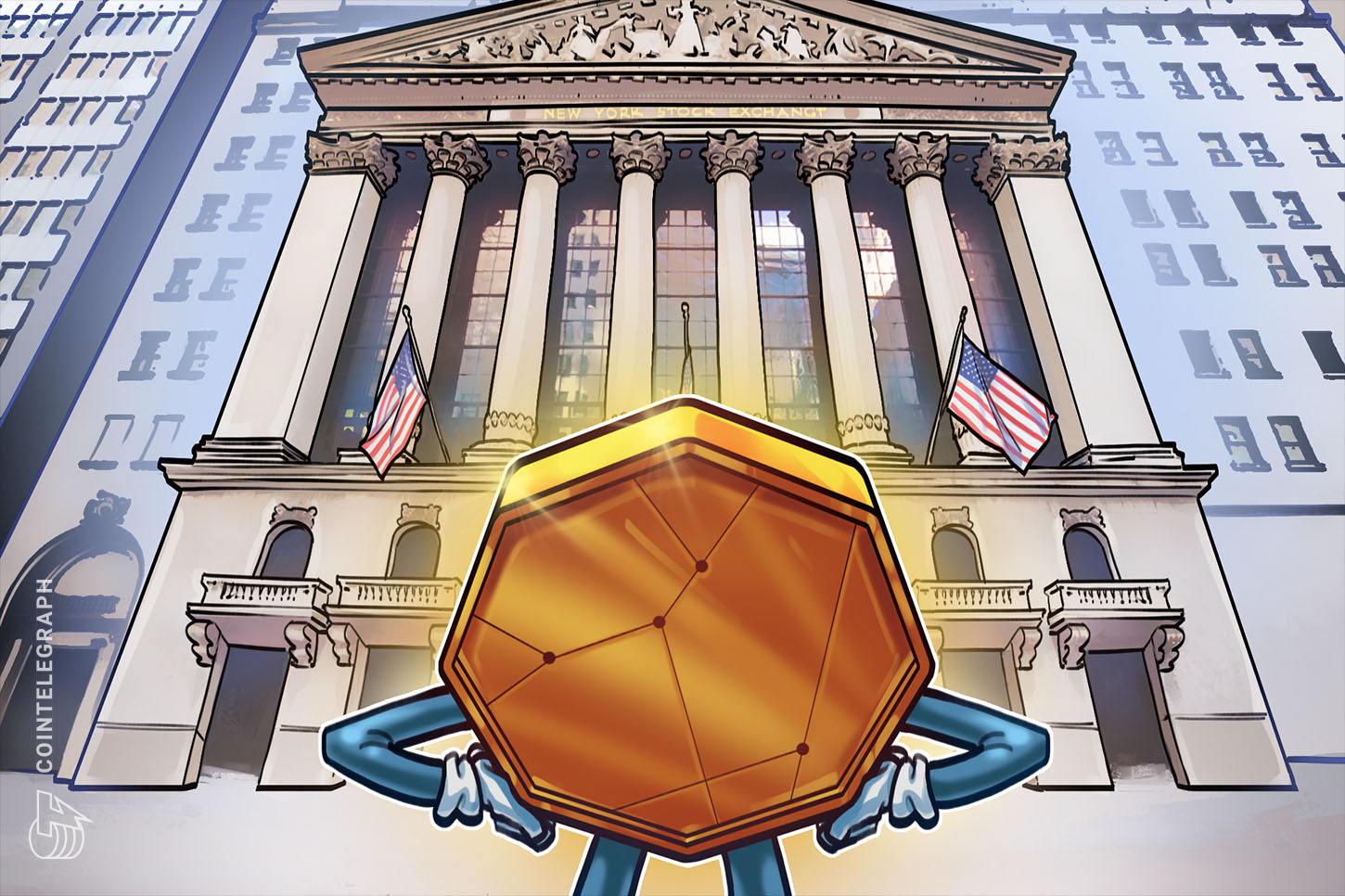
An increasing number of companies are formally opposing the launch of tokenized versions of their shares on a new stock trading platform being developed by the crypto exchange OKX and the parent company of the New York Stock Exchange, Intercontinental Exchange (ICE).
In a recent update from OKXICE—the joint venture between OKX and ICE—it was revealed that 16 companies, including Microsoft, Alphabet (Google’s parent company), and Goldman Sachs, have issued notices declining participation. While the notices didn’t specify reasons, an expert told Cointelegraph that concerns may stem from uncertainty about how the share prices would behave on the new platform.
In a Tuesday interview with Cointelegraph, Andrew Cuomo, co-chair of OKXICE and former governor of New York, clarified that these notices should not be seen as outright objections. He referenced the US Securities and Exchange Commission’s (SEC) embracing of a global, around-the-clock market and characterized these responses as some companies choosing to observe rather than immediately engage with the tokenized stock model.
Cuomo further explained:
“Many companies will say ‘we don’t want to be the first; we want to see how it plays out.’ This reaction is completely expected, and we anticipate more similar responses.”
Earlier this month, Cuomo shared that OKX and ICE plan to offer trading of shares from over 60 US-listed companies via their tokenized stock platform. Among the 62 companies proposed, roughly a quarter have expressed such reservations.
According to OKXICE, the platform is designed to operate 24/7 by utilizing permissioned Uniswap v4 liquidity pools on the XLayer protocol. Each tokenized share will be backed by one of three stablecoins for payment purposes: Tether’s USDt (USDT), Circle’s USDC, or Global Dollar (USDG).
This development highlights the cautious stance some major corporations take toward emerging blockchain-based trading platforms, reflecting wider apprehensions about market regulation and price dynamics in tokenized equity markets.
Why it matters
The pushback from prominent companies underscores the challenges faced by innovative tokenized stock platforms in gaining widespread acceptance, marking a pivotal moment for the future of digital securities trading.
Prepared from the source material with AI-assisted editing and checked against the supplied facts.
Open original source ↗