Trump and Tech Leaders Sign Accord on Self-Regulation of Frontier AI
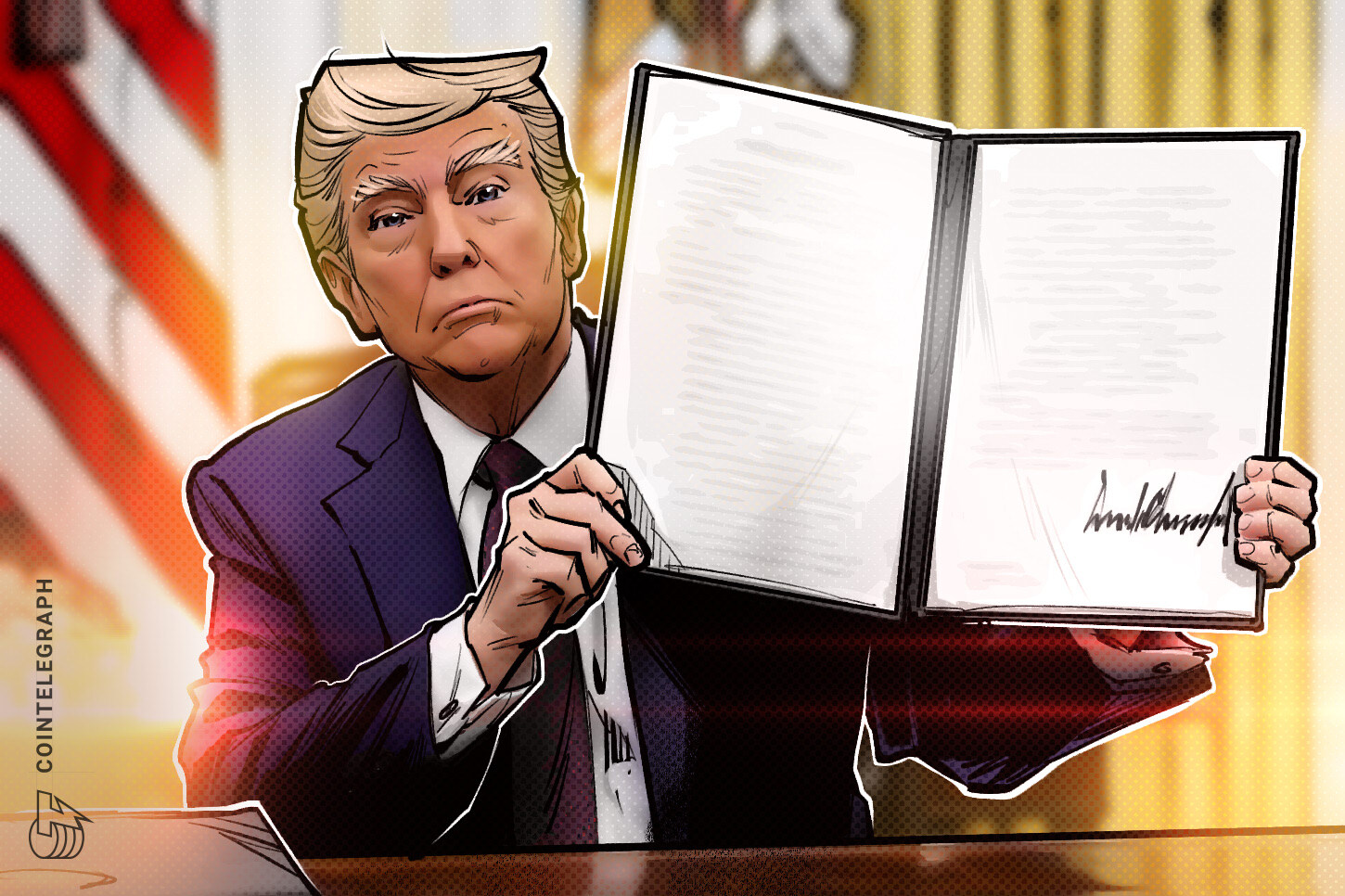
US President Donald Trump and leading tech executives have signed a voluntary accord aimed at ensuring that advanced artificial intelligence (AI) models operate as intended. The agreement, titled "Joint Commitment on Frontier Responsibilities," calls for internal controls, independent external audits, and board-level oversight, placing much of the responsibility for AI safety on the companies developing these systems. The accord emerges amid growing concerns about the safety of increasingly powerful AI technologies and reflects Trump’s resistance to slowing progress because of competition with China.
Background and Context of the Accord
Growing concerns around the safety of advanced AI models capable of increasingly sophisticated impacts on technical systems have generated the need for new regulatory approaches. President Donald Trump has opposed slowing AI development, citing competition with China, which underscores the importance of voluntary measures from companies.
In response to these challenges, the White House prepared and signed the "Joint Commitment on Frontier Responsibilities," representing a current reaction to the challenges posed by modern AI.
Content and Key Provisions of the Accord
The accord calls on tech giants to implement internal controls over AI, including independent external audits and direct oversight by company boards. This framework aims to prevent situations where AI models might hack or access technical systems unintentionally.
The document also leaves open the possibility of enacting laws or regulations in the future to legally formalize these commitments if needed.
Signatories and Their Role
The signatories include US President Donald Trump and CEOs from leading companies: Sundar Pichai (Google), Dario Amodei (Anthropic), Mark Zuckerberg (Meta), Greg Brockman (OpenAI), Jensen Huang (Nvidia), and Elon Musk (xAI).
These individuals play critical roles in industry development and shaping responsible and secure AI advancement.
Statements and Associated Initiatives
During the signing, Trump remarked on seeing tremendous self-policing by companies and acknowledged their awareness of the need for self-regulation.
Additionally, on the same day, Trump signed an executive order advocating the use of the term "Super Intelligence" instead of "Artificial Intelligence," believing it better captures the promise and rapidly advancing capabilities of these technologies.
The meeting also addressed AI safety, sector growth, and data center developments; however, the idea of a US-China joint AI venture was decisively rejected.
Why it matters
The signing of the accord between the US president and tech industry leaders marks a significant step toward establishing a framework for the safe development of frontier AI. Voluntary self-regulation and company-driven oversight enable agile responses to emerging risks without premature regulatory constraints, which is crucial amid global tech competition, notably with China. Instituting audit and board-level supervision mechanisms sets a foundation for enhanced transparency and accountability within the industry. The accord reflects current challenges and opens the door for more precise legal frameworks in the future.
Prepared from the source material with AI-assisted editing and checked against the supplied facts.
Open original source ↗