THORChain Executive Accuses Tether of Temporarily Freezing USDT Vaults
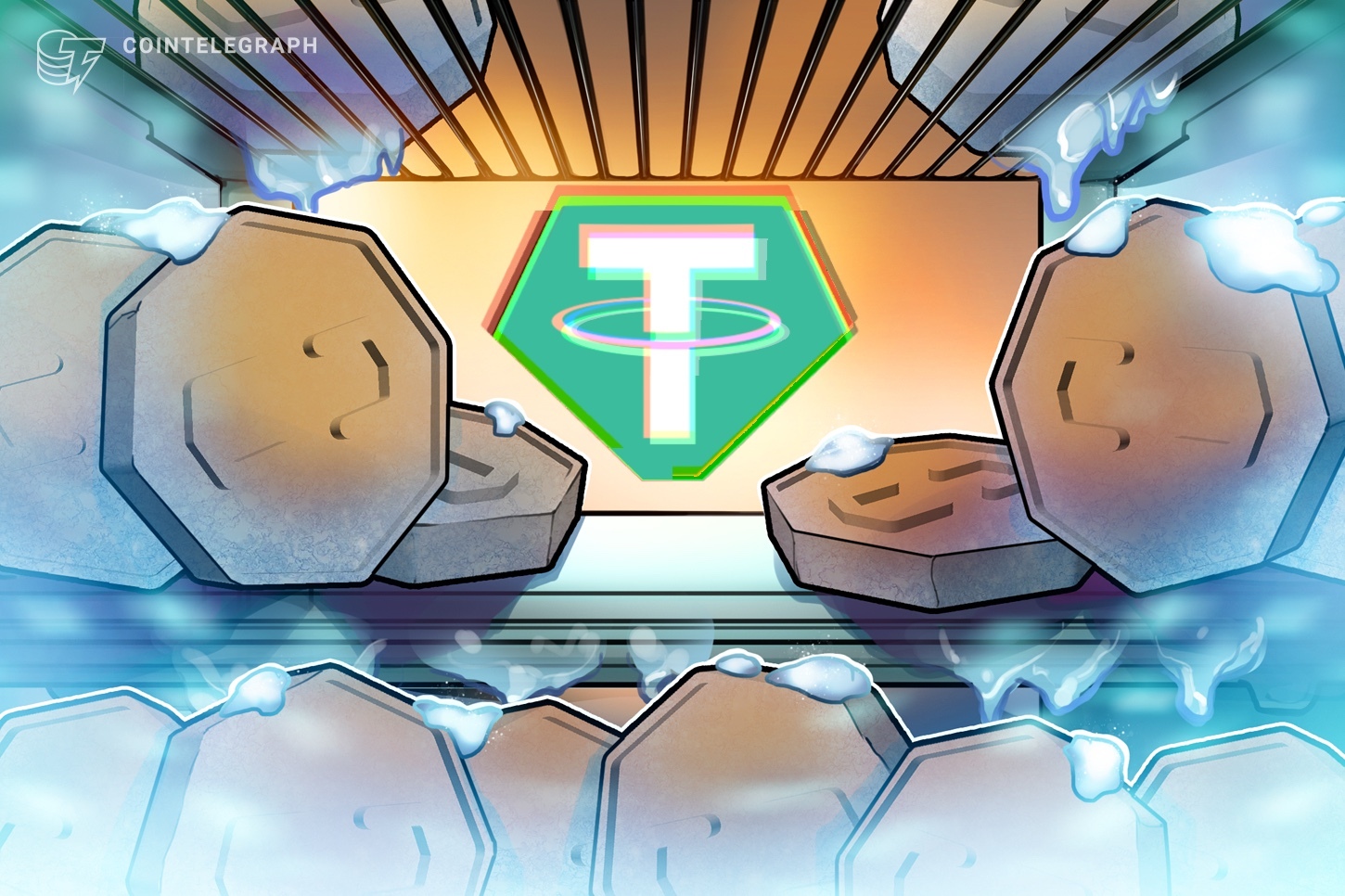
THORChain’s technical co-founder Chad Barraford publicly accused stablecoin issuer Tether of blacklisting THORChain’s USDt vault addresses without explanation, freezing approximately 1.45 million USDT before unfreezing them hours later. This incident unfolds amid ongoing legal actions against Tether regarding funds freezing in other contexts.
Accusations and Temporary Freezing of Funds
On Friday, Chad Barraford posted on social network X that Tether blacklisted THORChain vault addresses, freezing approximately 1.45 million USDT held across four wallets in the network. No notification or explanation was provided by Tether.
About two hours after the freeze, Barraford announced that trading would resume as Tether had unfrozen all the addresses. He also noted there had been no prior communication with Tether before the freeze, and THORChain was actively seeking dialogue, hoping it was an error or misunderstanding.
Background and Legal Actions Against Tether
Cointelegraph sought comments from both Tether and THORChain representatives regarding the incident but received no immediate response.
Earlier this week, cross-border payments platform Conduit Technology filed a lawsuit against Tether, alleging the stablecoin issuer froze $2.76 million worth of USDT in a wallet tied to a Brazilian authorities' investigation launched in 2024.
Additionally, in August, two Thai nationals sued Tether for allegedly freezing $42.4 million USDT following an 'informal request' by the US Homeland Security Investigations department. These cases highlight ongoing controversies regarding Tether’s practice of freezing user funds without transparent explanations.
Why it matters
This news is significant as it highlights issues between a major stablecoin issuer and a decentralized network, illustrating friction in the crypto ecosystem. It also underlines ongoing concerns and legal challenges regarding Tether’s practice of freezing user funds without clear explanations. Such incidents raise questions about the transparency and reliability of centralized stablecoins amidst their growing use within broader cryptocurrency environments.
Prepared from the source material with AI-assisted editing and checked against the supplied facts.
Open original source ↗