IMF Disburses $138 Million to El Salvador After Granting Bitcoin-Related Waivers
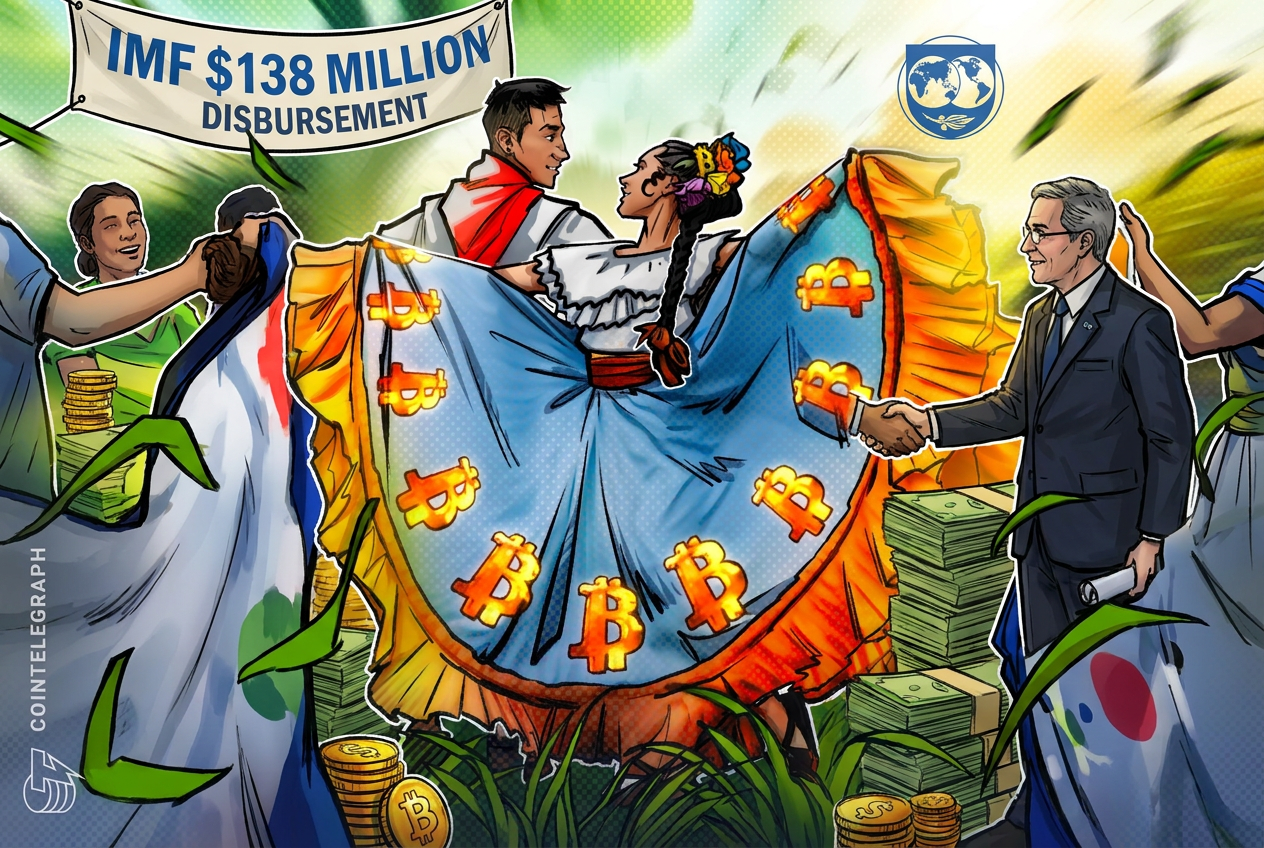
The International Monetary Fund (IMF) approved an immediate disbursement of approximately $138 million to El Salvador under its $1.4 billion financing program. This approval came despite the country missing certain performance criteria, notably regarding Bitcoin accumulation. The IMF granted waivers based on strong corrective actions and renewed commitments by the Salvadoran government.
Financing Overview and Reasons for Disbursement
At a session held on Thursday, the IMF Executive Board completed the second and third reviews under El Salvador’s 40-month Extended Fund Facility (EFF) arrangement.
Although some performance criteria were not met, including those related to Bitcoin accumulation, the Fund approved waivers based on strong corrective actions taken and the government's renewed commitments.
Government Reforms and Progress
The IMF highlighted progress made in financial sector reforms, increasing fiscal transparency, and improvements in anti-money laundering and combating the financing of terrorism (AML/CFT) measures.
Additionally, control and majority ownership of the Chivo Bitcoin wallet have been transferred from the government to a private operator.
Bitcoin Policy and Operational Framework
The IMF statement emphasized El Salvador’s efforts to reduce government involvement in cryptocurrency activities, by strengthening crypto-asset regulation and governance.
The program anticipates no further Bitcoin accumulation funded by the state, except for documented donations.
Background on Bitcoin Holdings and IMF Response
Earlier reports from Cointelegraph on September 4 indicated that following the first review in June 2025, El Salvador did not use public funds to acquire Bitcoin; all accumulation was from private donations.
IMF investigations confirmed that the increase in Bitcoin holdings derived from private donations rather than government-financed purchases.
Moreover, majority ownership and operational control of the Chivo wallet were transferred to a private operator, with the Salvadoran government retaining a minority stake and custodial responsibilities.
Why it matters
This news is significant for understanding the evolving relationship between El Salvador and the IMF amid the country's pioneering adoption of cryptocurrencies. Despite missing some program conditions related to Bitcoin, the IMF’s willingness to grant waivers demonstrates a flexible approach toward countries experimenting with innovative financial instruments. The transfer of control over the state-managed crypto-wallet and emphasis on privatizing digital asset operations underline efforts to integrate cryptocurrencies into the economy while limiting state financial exposure. This development may set a precedent for other nations considering incorporating cryptocurrencies into their fiscal policies.
Prepared from the source material with AI-assisted editing and checked against the supplied facts.
Open original source ↗